Choosing the right cable may look like details, but often has a knock effect on how smooth the system runs, how safe they are, and how long they last. From data signals to electricity to industrial cables, different settings require different specifications.
And this is not just about what the cable is carrying – this is about where it is, how flexible is needed, and whether it will last until heat, movement, or disturbance.
In this article, we will dismantle 10 types of cables – what makes each check, where they are used, and why the size plays such a big role.
1. Tape cable (flat cable)
Flat ribbon cable, wide strip made of several parallel cables – ideal for tight and compact space. Flexible shape and color coded cable make it easy to install and solve problems.
You will often see it at:
- Internal computer components
- Control panel
- Test equipment
They are a neat solution to handle several connections at once without the chaos of a round cable – simple, efficient, and reliable for signal transmission in limited assembly.
2. Flexible flat cable (FFC)
FFC is very similar to a ribbon cable at first sight – but there is a subtle change in the design that makes a big difference. Instead of individual cables run side by side, FFC is made of flat metal conductors that are laminated between the layers of flexible plastic films.
This structure provides extraordinary bending capabilities, so this is a popular choice in a strong and moving assembly such as devices, cameras, or car infotainment systems that can be folded.
Because it is thinner and smoother, FFC often replaces larger cable options in electronics where each millimeter is calculated. This is neat, compact, and built for movement without damage.
3. Jumper cable
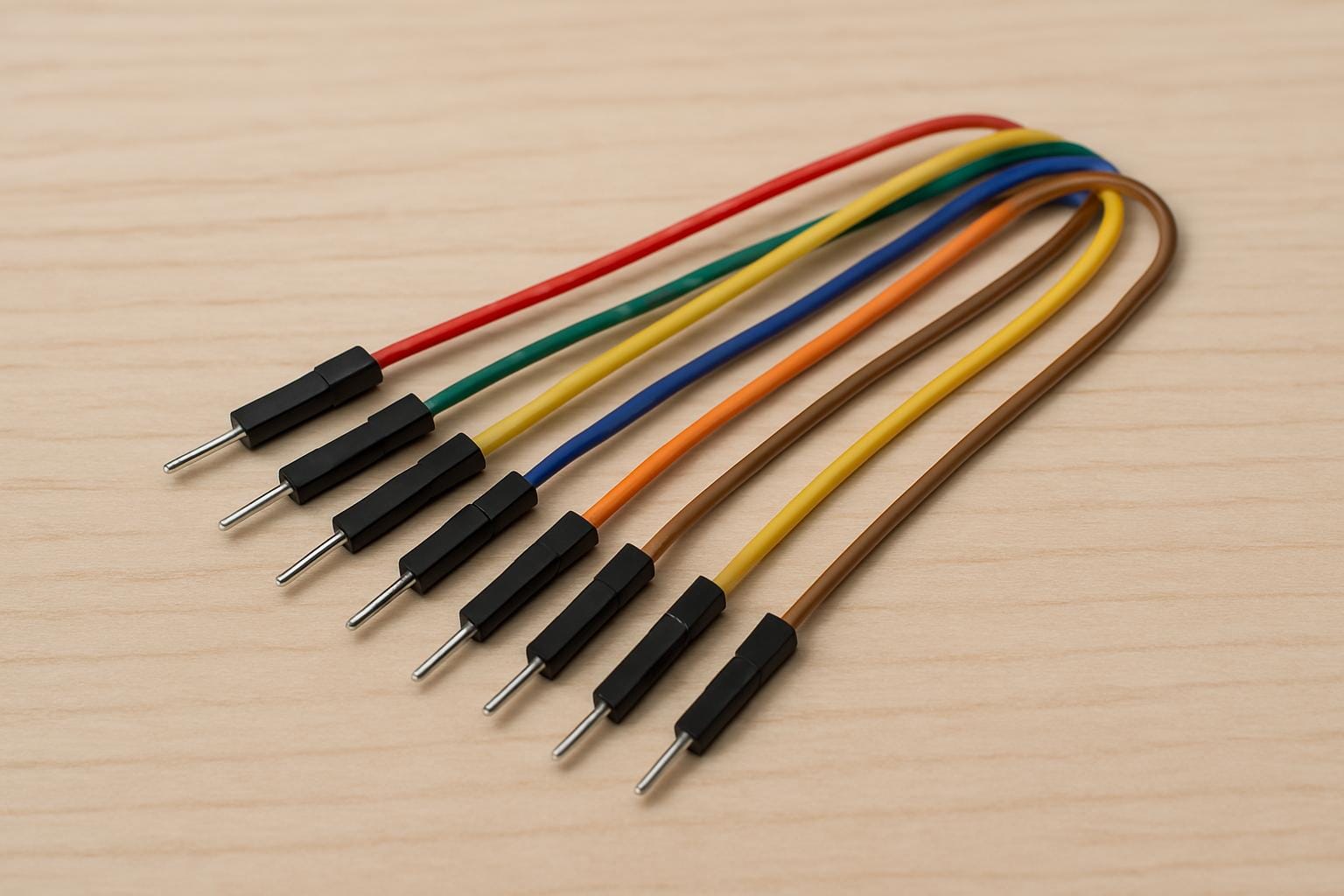
Jumper cable is the purpose of fast and flexible connection during testing and prototype. You will see it everywhere on the bread board and test the circuit – help the engineers connect the components without the need for solder.
This cable is usually equipped with a pin or socket connector, making it very comfortable to use and exchange. They are available in a variety of wire gauges – from AWG 28 thinner to 22 AWG – depending on the need for current or signal.
In short, they are not permanent, but they are important to find out before things are resolved.
4. coaxial cable
Coaxial cable – often only called “coax” – has been there for decades, and there are good reasons that are still strong. Built with a central conductor, a layer of isolation, metal shield, and outer casing, this is all about protecting signals from interference.
The shield means that Coax handles high frequency signals with less noise, which is why it is used in:
- Broadband Internet
- CCTV System
- Radio transmitter
- Aerial tv
Its structure helps stay stable in a distance – a bent pair cable does not always manage it either. So, when the clarity of signal is important, coaxial often wins.
5. Twisted pairs cable
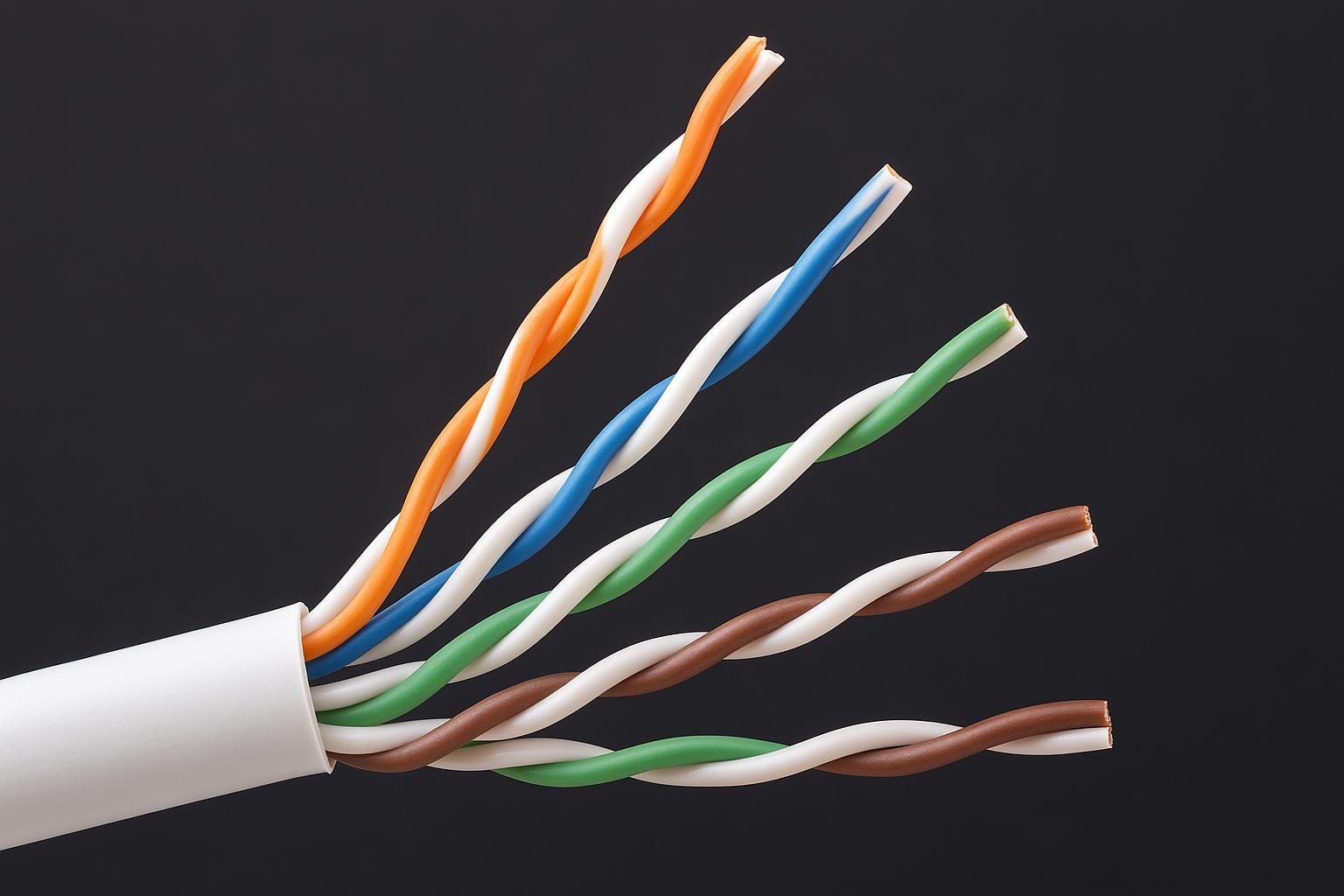
Twisted Pair Cable helps reduce disruption of souvenirs – You can guess it – turning the cable into one. This simple design helps the signal stay cleaner in short distances.
They are everywhere in telecommunications and networks, such as:
- Ethernet (Cat5e, Cat6)
- Telephone line
- Audio settings
They are cheaper and easier to install than persuaded, even though they don’t offer the same shield. However, for many data and sound applications, Twisted Pair is more than capable – especially where the budget and simplicity are important.
6. Power cable (3-Conductors)
Power cable three conductors are what most people imagine when thinking about a standard power cable-one for life, one for neutral, and one for the earth. The extra foundation wire plays a big role in making the system safer and prevent shocks.
You will see this cable in everything ranging from household plugs to industrial machines. Insulation varies based on settings – harder outer jackets for factories, which are more flexible for portable equipment.
Power cable specifications tend to focus on the current capacity, voltage ranking, and type of insulation – all are needed when carrying loads.
7. IDC Cable (Isolation Transfer Connector)
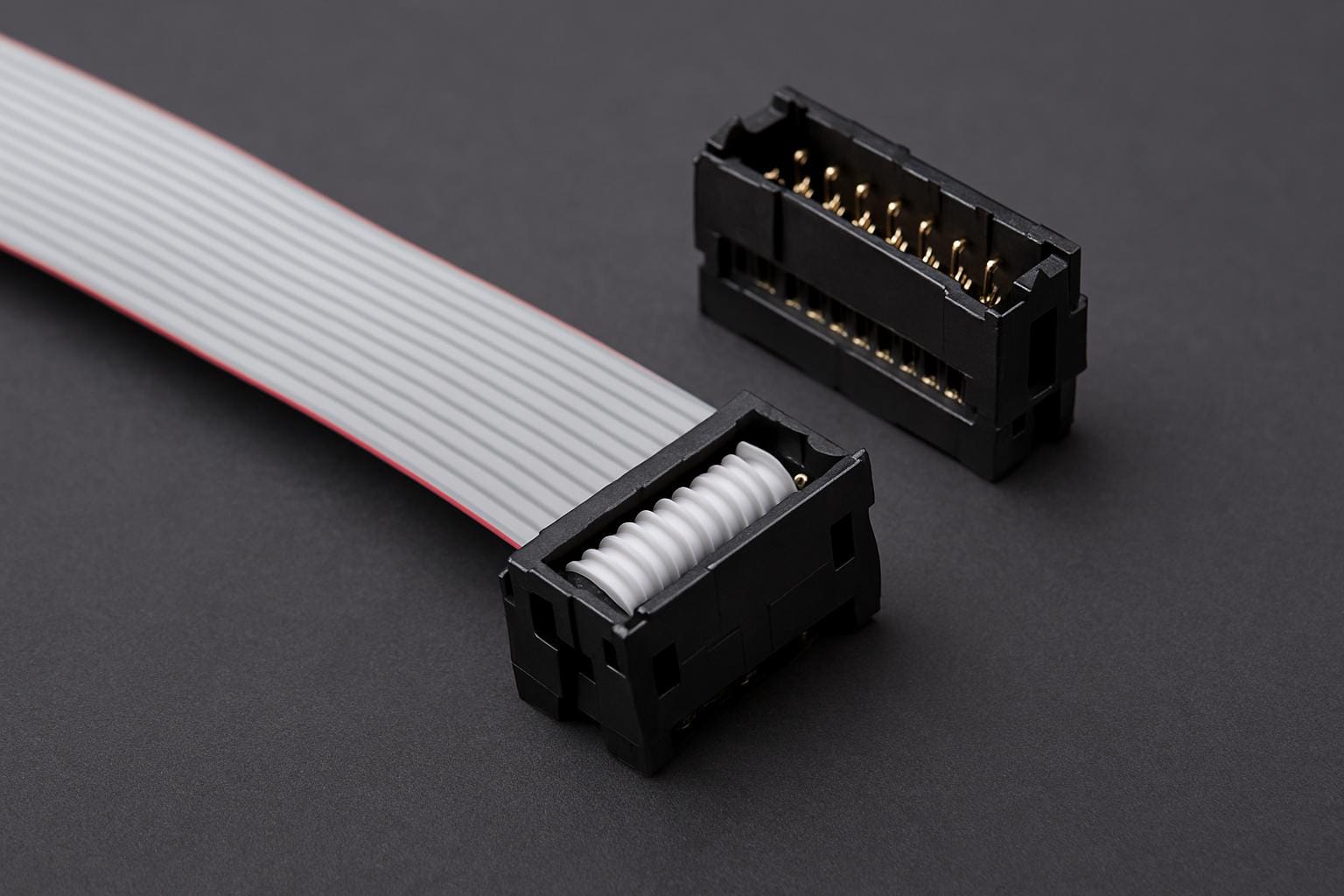
IDC cable is actually not its own type of cable – they are more about how the connection is made. Instead of stripping the cable and fiddling with solder, the IDC connector punching straight through cable isolation to make contact with the conductor.
They are often used with ribbon cables, especially in control panels and computing hardware, because they save time and maintain a consistent connection.
The main reverse? Quick assembly without sacrificing reliability, which is useful when you launch dozens (or hundreds) connections in one way.
8. Servo cable
Servo cable is built to move – literally. They are used to connect the servo motorbike in automation settings, CNC machines, and robotics, where constant movements are part of the work.
These cables are specifically designed to handle bending, vibrations, and repeated bending without fatigue. You will often find a combination of power cables and signals in it, protected to reduce the noise between motor control and feedback systems.
Durability and flexibility are more important here than others-if the servo cable fails in middle operation, it is not just a disturbance, it can stop the whole process.
9. Silicone rubber cable
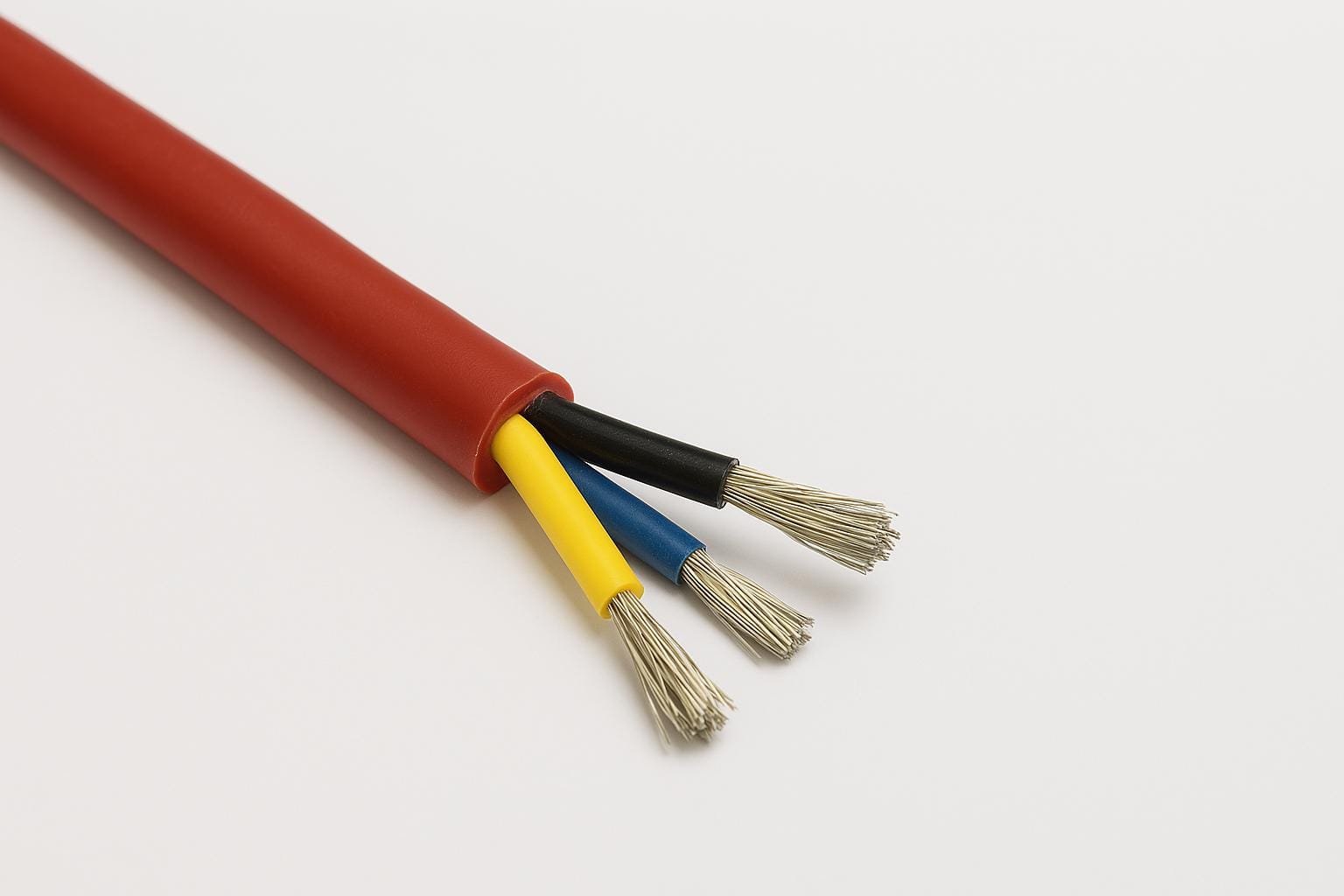
Silicone rubber cables are built to take heat – literally. They are known for their ability to deal with extreme temperatures without cracking, melting, or losing flexibility.
Used in places such as steel work, oven, or high temperature test environment, they continue to work where most cables will give up. Their insulation remains flexible even in frozen conditions too, making it suitable for both ends of the temperature spectrum.
They are often chosen not only for performance, but for security, especially where thermal resistance cannot be negotiated.
10. Micro coaxial cable
Micro coaxial cable packs the same structure as ordinary coax – only in a much smaller package. They have become a destination for devices where strict space but signal quality cannot receive blows.
Think about medical imaging devices, smartphones, or inspection cameras – where flexibility and miniatures are the same as performance. Apart from its size, they are still managing solid protectors and high frequency signal handling.
These cables are usually part of the assembly where precision is the key and every electric noise can dispose of goods. Small, neat, and very difficult.
The cable may not attract attention, but they quietly unite everything. The type and size you choose affects the safety, efficiency, and long -term performance.
From the clarity of the signal to the durability under pressure, each detail is more important than you think. That is why having the right cable for work can save time, money and complexity, and hopefully this electric cable guide has helped you along the road.
Altimex offers a wide selection of high -performance cables to match any specifications you do. Need help find the right one? Contact us – us here to make everything easier.
The type and size of the post 10 cable described first appeared in Altimex.
Game Center
Game News
Review Film
Berita Olahraga
Lowongan Kerja
Berita Terkini
Berita Terbaru
Berita Teknologi
Seputar Teknologi
Berita Politik
Resep Masakan
Pendidikan
Berita Terkini
Berita Terkini
Berita Terkini
review anime
Gaming Center
Originally posted 2025-05-22 07:09:36.